
Aerospace & Defense
Russia’s ‘Black Hole’ Kilo-Class Submarine Is Now Being Replaced: New Lada-Class Submarine Is Being Built
The first submarine of this class, the Sankt-Peterburg, was laid down in December 1997 and launched in 2004. Complications from its propulsion system arose during testing, forcing the Russian Navy to delay that first submarine’s entrance into service until 2010.
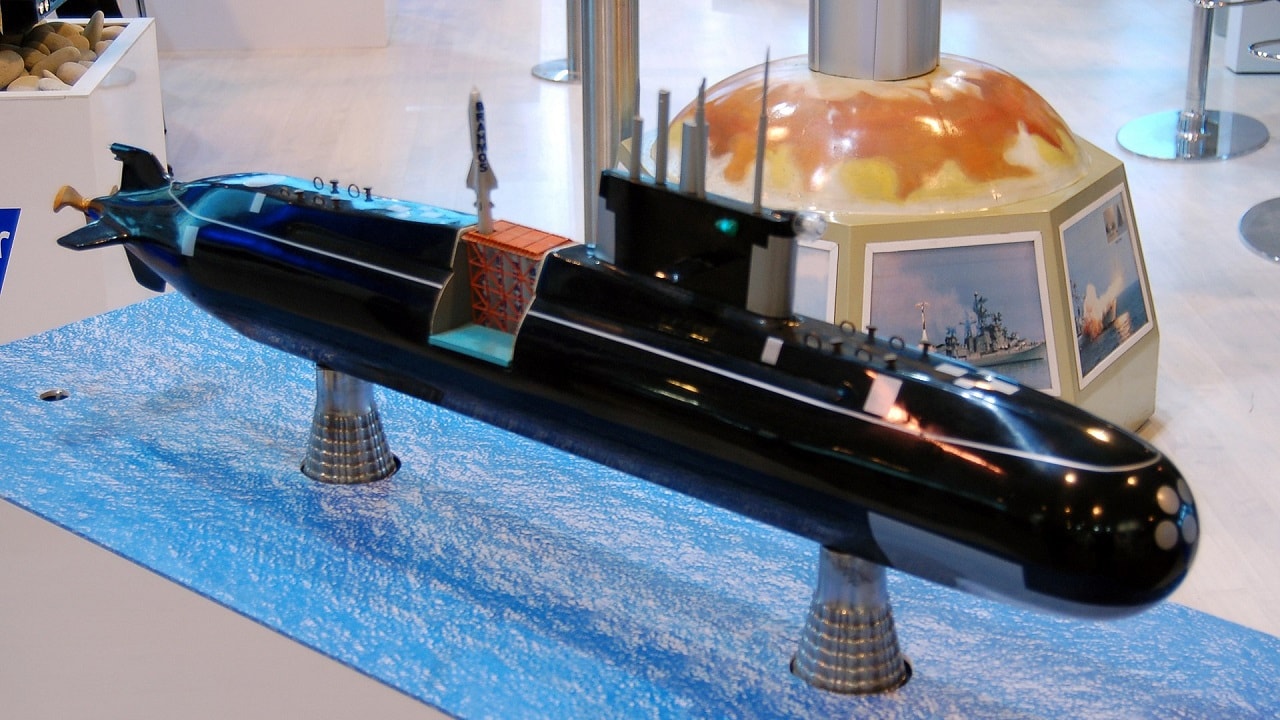
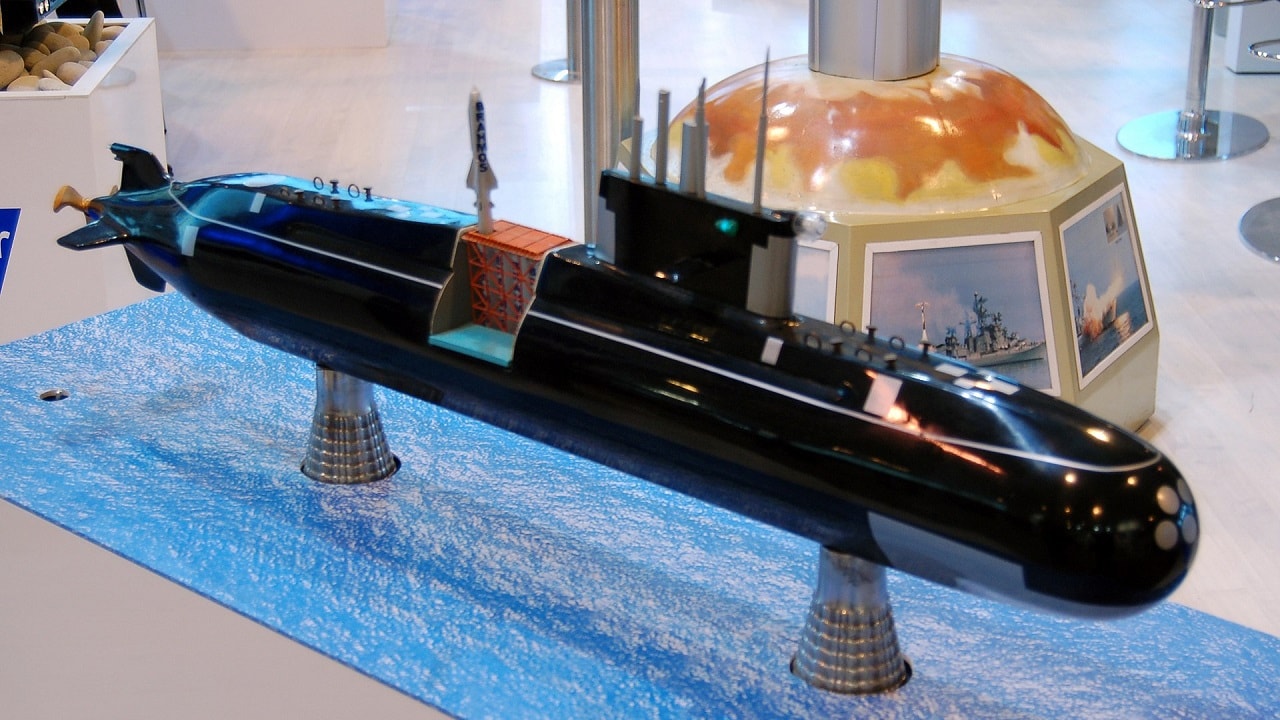
BrahMos missiles on Lada class non-nuclear submarine maquette. MAKS-2009.
Reports of Russia’s demise may be greatly exaggerated, not only on the battlefield in Ukraine, but also of defense industrial output.
On August 27, the Russian shipyards in St. Petersburg formally laid down another Project 677 Lada-class diesel-electric attack submarine, known as the Maloyaroslavets.
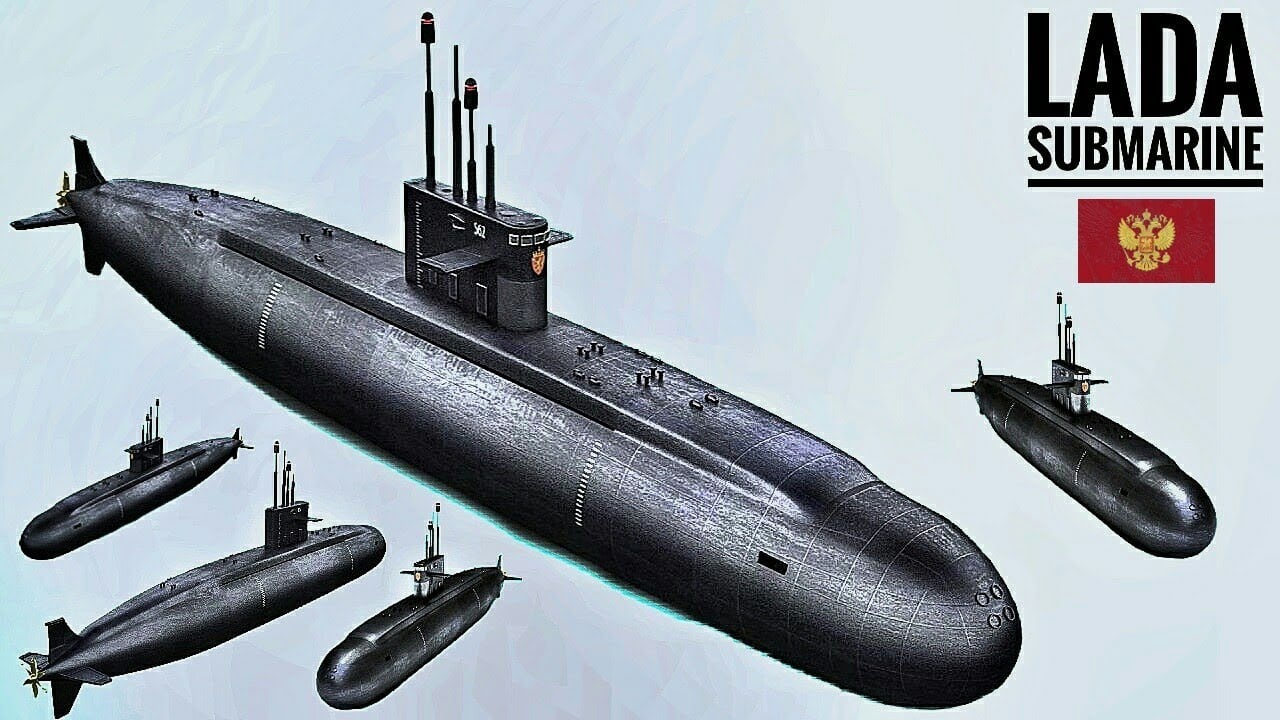
Lada-class Submarine. Image Credit: Creative Commons.
Maloyaroslavets is the sixth Project 677 hull but the fifth serial-production submarine of this class, a fact that has confused some Western observers.
Regardless of that discrepancy, the Maloyaroslavets’ construction indicates that the Russians remain as committed as ever to the Project 677 and intend to expand that system while building newer, more powerful submarines, highlighting the utility of the Lada-class diesel-electric attack submarine for the Russian Navy.
The Lada-Class Sub
The Lada-class was developed as the successor to the Soviet Project 877 Kilo-class submarine. The Kilo-class is known in many naval circles as the ‘black hole’ for having, at one time, powerful near-silent capabilities, although many dispute this.
When designing Project 677, Moscow sought a smaller, quieter conventionally powered submarine.
For the Lada-class, the Russians designed a smaller, quieter diesel-electric submarine to incorporate greater automation; they gave the class improved sonar and a substantially reduced acoustic signature.
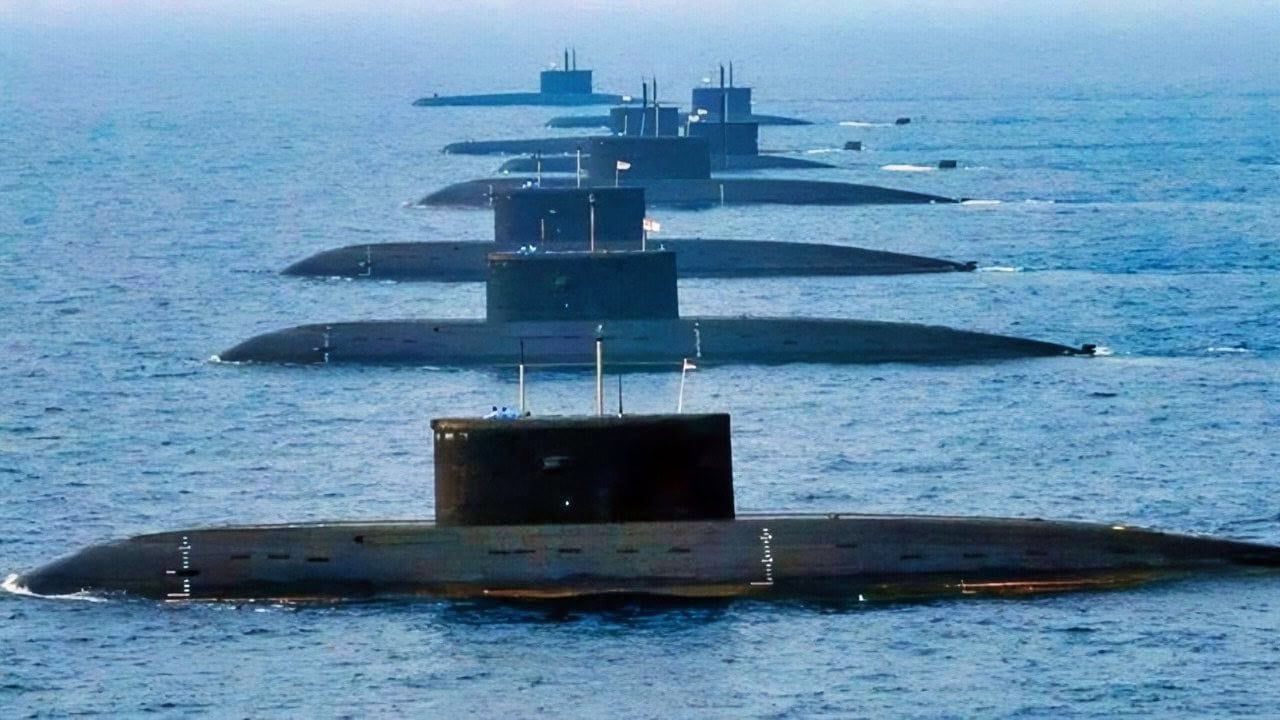
Kilo-Class Submarines All Together. Image Credit: Creative Commons.
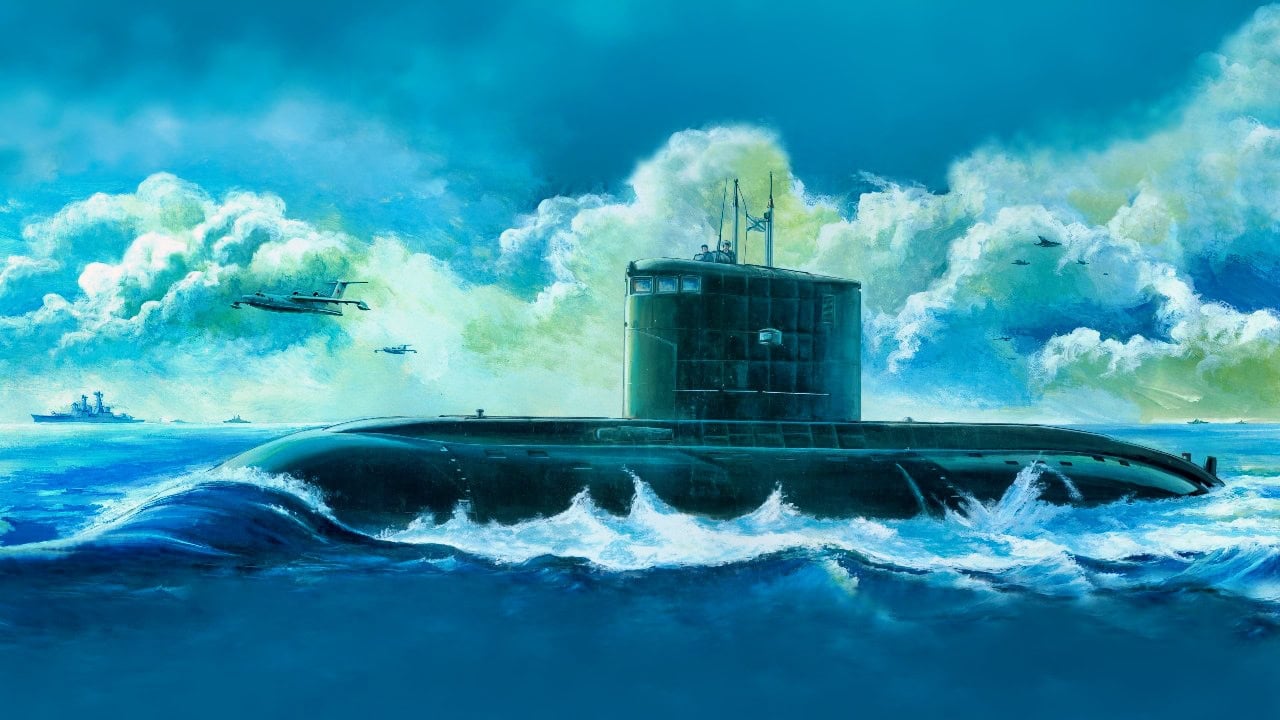
Kilo-Class Submarine
Project 677 uses a single-hull configuration and a diesel-electric propulsion system.
These submarines were designed for a variety of mission sets, making them highly versatile platforms for the Russian Navy.
These subs can conduct anti-submarine and anti-surface warfare missions as well as reconnaissance, minelaying, and land-attack missions.
According to the specifications of the Lada-class specifications, this submarine carries a crew of 35 sailors; it can reach 21 knots while submerged, dive to 300 meters, and remain deployed for up to 45 days. As noted above, the Lada-class is capable of land-attack missions.
So, this submarine’s armaments include torpedoes as well as missiles. Specifically, the Lada-class fires the Kalibr cruise missile, meaning it can be used as both an anti-ship weapon and a land-attack missile.
Because of the Lada-class submarine’s diesel-electric propulsion plant and its sound-dampening technology, Russian officials insist that the submarine is harder to detect by sonar than previous generations of Russian submarines. No independent measurements publicly support those claims.
Some Problems
The first submarine of this class, the Sankt-Peterburg, was laid down in December 1997 and launched in 2004.
Complications from its propulsion system arose during testing, forcing the Russian Navy to delay that first submarine’s entrance into service until 2010.
Nevertheless, the Russians believed in the usefulness of this submarine class and used the Lada-class as a foundation for their future submarine force.
Russia’s President Vladimir Putin has previously said he intends to build at least nine Project 677 submarines, and contracts were supposedly signed to build two more Lada-class submarines.
One key question that has analysts scratching their heads, though, is whether the new Lada-class submarines will incorporate the air-independent propulsion (AIP) system that the Russians have been developing for their conventionally powered submarines for years.
Europeans pioneered AIP and installed it on multiple submarine classes.
These submarines have demonstrated a remarkable capacity to punch well above their weight (with some European AIP submarines even sinking US aircraft carriers in wargames).
Yet questions remain about whether the Russians have built their own version and installed it on the Lada-class.
An AIP system allows a conventionally powered submarine to remain submerged longer without the need to recharge its batteries, as well as reducing the submarine’s exposure to enemy anti-submarine forces.
Russia Moves Forward
With or without a Russian-made AIP system, though, the Lada-class is clearly an important system for the Russian Navy.
They’ve maintained their investment in the program, even after the first submarine of its class struggled with major engine complications.
Russian designers also argue that the submarine’s reduced noise, enhanced sensors, cruise missiles, and high levels of automation make it a worthwhile investment.
It has been almost 30 years since the first Project 677 submarine was laid down, and the Russian Navy is still building more.
After decades of delay, the Russian Navy is finally turning Project 677 from an experimental design into an actual production submarine.
US observers should not dismiss this submarine–or Russia’s capacity to build more of them and make enhancements with future iterations of these subs.
Read the full article from the source.