
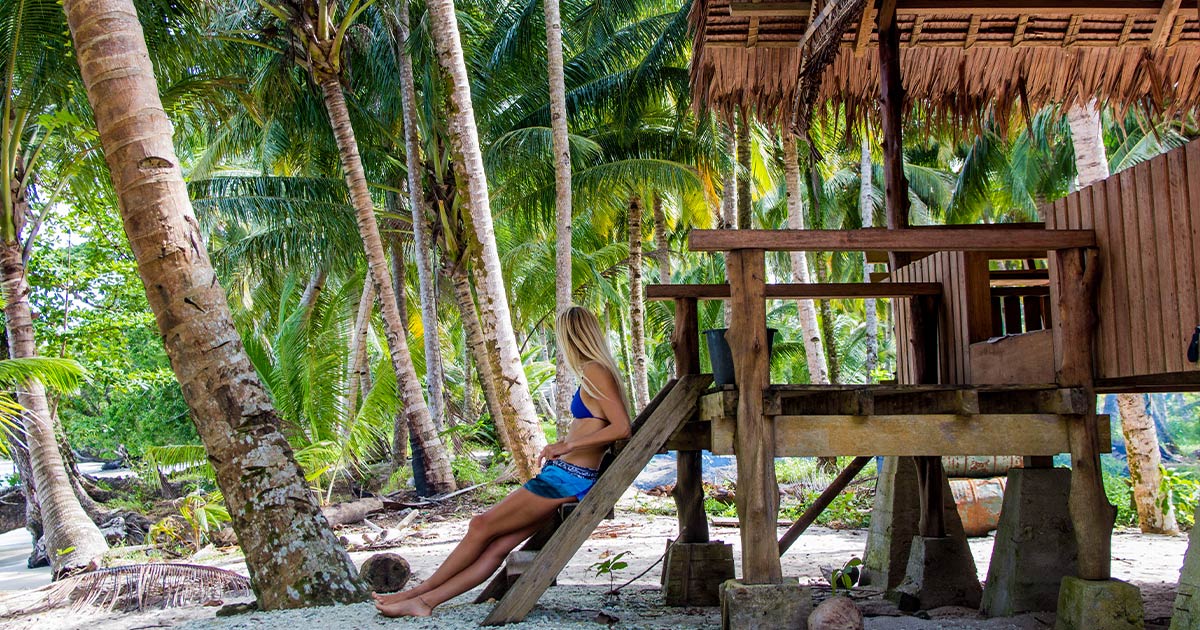
Right now, with remote work baked into so many jobs, a lot of guys fed up with the grind back home are ditching the city life for something freer. We’re talking real relocation, not just vacations—heading overseas to build a life that’s self-reliant, low on red tape, and high on personal control.
This hits home for anyone reading Off-Grid Survival. It’s the same mindset: prepare, adapt, and get out from under systems that no longer serve you. Picture running your online gig off solar in a quiet Thai valley or pulling water and food from the land in Costa Rica while the paycheck still hits from stateside. That’s digital nomad life crossed with off-grid basics—location-independent income plus real independence from the grid and the bureaucracy.
Sure, the “passport bro” label gets thrown around—guys moving abroad partly for dating and relationships that feel more traditional—but the bigger picture is broader. It’s about using tech to live untethered, setting up resilient systems wherever you land, and pushing back against cultural and economic squeeze plays at home. With economic pressure, political noise, and declining trust in institutions, more men are choosing this route as a practical move.
Numbers back it up: As of 2026, roughly 40 million people worldwide live as digital nomads, including about 18.5 million Americans. This isn’t some fringe group of blacklilsted weirdos anymore—it’s a growing survival strategy for people who want options.
Let’s break down why this path makes sense for freedom-minded people, how to pull it off step by step, the best spots that mix affordability, off-grid potential, and welcoming vibes, real costs, safety realities (like the fresh cartel flare-up in Puerto Vallarta), and the red flags you can’t ignore.
Why the Shift: Freedom, Nomadism, and Escaping the Western Decline
The pull of living abroad for off-grid types comes down to raw, unfiltered freedom. Digital nomads live it every day—blending remote work with constant movement. About 61% hold full- or part-time jobs, while 39% run their own freelance or business gigs, funding solar setups, land, or mobile homes without corporate leashes. In 2026, the typical digital nomad is around 37, single, non-religious, progressive-leaning, and 59% male—overlapping heavily with passport bros who aren’t just chasing relationships but a full reset from Western norms. One expat put it plain: “Nomad life builds deeper community, solid routines, and real focus—no more burnout grind.”
Escaping government overreach sits at the top of the list. U.S. citizens get hammered with worldwide taxation through FATCA, but moving abroad unlocks the Foreign Earned Income Exclusion (up to $126,500 in 2026), cutting the burden hard. Plenty see Western culture sliding—rising isolation, fertility crashing to 1.6 births per woman in the U.S., mental health spiraling—as a wake-up call. Roosh V nailed it years ago: feminism has shredded traditional bonds, shoving men toward self-reliant paths overseas. For off-gridders, it’s practical—dodging heavy land-use or energy regs in places like Portugal, where you can park a mobile home or tiny setup for long stretches with little interference.
Economics seal the deal. U.S. monthly living costs hovered around $6,081 back in 2022, but nomads slash that 50-70% abroad through geoarbitrage: pull Western-level pay while spending peanuts on basics. One Belize guy built his own place on $250 a month while freelancing remotely. Passport bros layer in the relational side—many say foreign women feel more family-focused and appreciative. Austin Abeyta summed it up: “Dating overseas gives you the best shot at a real partner.” For survivalists, though, it’s bigger: nomadic flexibility fused with off-grid toughness.
The momentum is real. Around 34 million Americans (22% of the workforce) work remotely, making nomadism viable. Globally, digital nomads pump $787 billion into economies. A 2025 moveBuddha study found 24.4% of Americans eyeing international moves, with cost of living the #1 driver (34%). Trends in 2026 favor “slowmads”—settling 3-12 months to dig roots, perfect for off-grid builds like cabins or solar homesteads.
Why more young men specifically? It’s the same quiet revolution hitting across America: guys rejecting the college scam and the whole scripted life that follows. They’re staring at $100k+ price tags for degrees that often lead nowhere—average student loan debt now tops $39,000 per borrower—and seeing the trap: debt servitude, jobs that don’t need the paper, and regret over majors chosen. Enrollment for young men keeps dropping (men now just 42% of 18-24 undergrads at four-year schools), while trade schools and hands-on paths surge. Mike Rowe has been calling it out: after decades pushing the “most expensive path” as the only one, we’ve created a mess—four-year enrollments trending down among Gen Z, but interest in electricians, welders, plumbers, and real skills climbing.
Young guys are waking up and saying ‘enough’ to the whole rigged setup. They’re staring at $100k+ in college debt for a degree that gets them a barista job, and they’re like, ‘Nah, I’m not doing that.’ BlancSovereign
This isn’t just skipping college—it’s unplugging from the matrix entirely: education debt, rigged jobs, media narratives, government strings, even broken social contracts. MGTOW and redpill thinking fuel it—men going their own way, questioning the old rules on marriage, careers, and society. More are single (63% of men under 30 report no partner and many aren’t even looking), opting for independence over dependency. They’re building with their hands—welding, mechanics, EMT work—or going full off-grid: rural land, vans, tiny homes (market projected to grow steadily toward billions by late 2020s). Passport Bros take it global—Southeast Asia, Latin America, Eastern Europe—for respect, family values, and affordable living without being seen as disposable.
As one Reddit voice put it: “Rising costs, politics, broken culture force expat life.” Walking away from the system isn’t retreat—it’s rebuilding on your terms. For off-gridders and nomads, abroad becomes the logical next step: cheaper, freer, and far from the debt traps and cultural decline back home.
Top Destinations: Blending Nomad Hubs with Off-Grid Potential
Passport bros and digital nomads flock to affordable, welcoming spots, but off-gridders seek biodiversity, lax regs, and natural resources. Europe leads 2026’s Digital Nomad Visa Index (Spain, Malta, Portugal top), with over 50 global options. Fast-growing hubs: São Paulo (+219% growth), Florianopolis (+188%), Cape Town (+187%). Here’s a table of top picks, emphasizing off-grid appeal:
| Destination | Pros for Nomads/Off-Grid | Cons | Key Details |
|---|---|---|---|
| Portugal | Mild climate, affordable rural land, expat networks; off-grid friendly with solar abundance. | Language barrier; EU regs. | Top for off-grid: Matarranya region for depopulated farms. Costs ~$1,000/month. Safety 9/10. Digital nomad visa easy. |
| Costa Rica | Biodiversity for foraging; eco-support; beaches/jungles for solar/off-grid homes. | Humidity; natural disasters. | Pura vida lifestyle; build sustainably. Monthly ~$1,200. Expats: “Jungle self-sufficiency changed us.” |
| Thailand | Low costs ($600-1,000/month); digital hubs like Chiang Mai; rural highlands for off-grid. | Visa runs; crowds. | Off-grid in north: Solar villages. Women traditional; safety 8/10. |
| Belize | English-speaking; off-grid communities; jungle/ocean for self-reliance. | Hurricanes; infrastructure. | Laid-back; build cabins cheaply. Family-friendly; costs ~$1,000. |
| Spain | Cheap rural land; sunny for solar; off-grid in Aragon/Matarranya. | Building permits. | Depopulating areas ideal; ~$800/month. Expats thrive off-grid. |
| Mexico | Proximity; diverse landscapes; affordable off-grid in mountains/beaches. | Cartel risks (e.g., PV). | Puerto Vallarta popular but volatile; ~$1,000/month. Avoid hotspots. |
| Chile | Patagonia for wilderness off-grid; diverse climates. | Isolation; earthquakes. | Sustainable builds; ~$1,200/month. Expats: “Off-grid opportunities abound.” |
| New Zealand | Pristine nature; opportunity for off-grid farms. | High costs; distance. | Wilderness wonderland; visas for skilled nomads. |
These spots score high in affordability and visas. For passport bros, cultural warmth adds appeal; off-gridders love rural enclaves.
How to Execute: From Planning to Off-Grid Setup
Start 3-6 months ahead:
- Research/Budget: Use cost-comparison sites—U.S. index 68.8 vs. Thailand 38.0. Buffer $1,500-3,000/month for solar kits (~$5,000 initial).
- Visas/Passport: Digital nomad visas (50+ options in 2026); e.g., Portugal’s for remote workers. Tourist extensions for testing.
- Finances/Income: Use international transfer services; FEIE for taxes. 70% nomads work ≤40 hours/week.
- Off-Grid Gear: Solar panels, water filters, composting toilets. In Costa Rica, eco-communities guide setups.
- Health/Insurance: Vaccinations; nomad insurance ~$80/month.
- Community: Join forums; expats in Belize share off-grid tips.
Quote: “Plan finances first—$500/month apartment in DR changed my life.”
Cost of Living: Maximizing Savings for Sustainability
Abroad slashes costs, freeing funds for off-grid investments. U.S.: $2,516/month; Vietnam: $614. Table:
| Category | USA ($$ ) | Costa Rica ( $$) | Savings (%) |
|---|---|---|---|
| Rent | 1,500 | 500 | 67 |
| Groceries | 400 | 250 | 38 |
| Utilities (Off-Grid Solar) | 200 | 50 | 75 |
| Total | 2,516 | 1,200 | 52 |
Nomads live comfortably on $1,200-2,000, funding land or gear.
Safety Concerns: Recent Puerto Vallarta Chaos and Beyond
When you’re going off-grid or nomadic abroad—whether chasing lower costs, freedom from overreach, or a fresh start—safety has to be non-negotiable. Most popular spots for digital nomads and passport bros (Thailand, Portugal, Costa Rica, Belize, etc.) are generally stable with low violent crime against foreigners, but no place is risk-free. Petty theft, scams, natural disasters, and occasional political flare-ups are the usual suspects. In higher-risk areas like parts of Latin America, organized crime can spill into tourist zones unexpectedly.
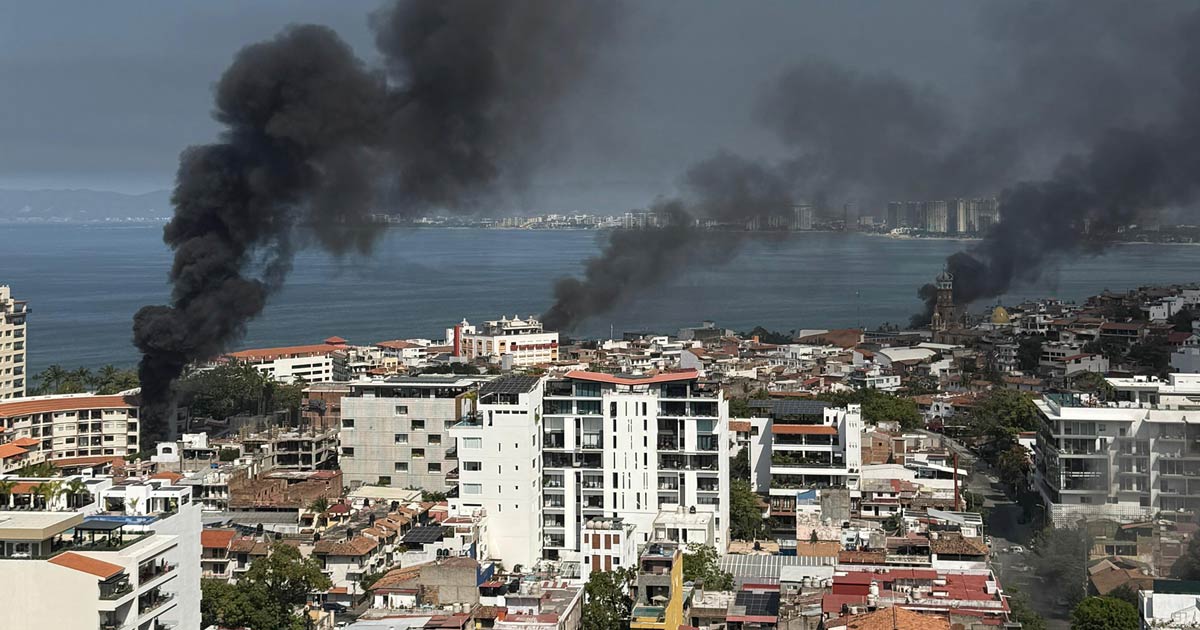
The recent events in Puerto Vallarta show how fast things can turn. On February 22, 2026, Mexican forces killed Nemesio “El Mencho” Oseguera Cervantes, the head of the Jalisco New Generation Cartel (CJNG). Retaliation hit hard: Gunmen torched vehicles, blocked roads with burning barricades, set fires to businesses, and caused widespread chaos across Jalisco and beyond. In Puerto Vallarta—a major beach resort—tourists described smoke-filled skies, explosions, and scenes that felt “like a war zone.” Flights were canceled en masse (Southwest, Delta, Air Canada, and others grounded routes), rideshares shut down, and the U.S. State Department issued shelter-in-place advisories for Jalisco (including PV), plus parts of Tamaulipas, Michoacán, Guerrero, and Nuevo León. Over 70 people died in the clashes (mostly cartel members, security forces, and locals—no tourists reported killed), stranding thousands at airports or in hotels/Airbnbs for hours or days. By February 24, things calmed in many areas—some flights resumed, normal operations returned in tourist zones—but power struggles in the cartel could spark more trouble.
This wasn’t a direct attack on tourists; cartels rarely target foreigners intentionally (it hurts their business). But collateral chaos—roadblocks, disrupted transport, panic—can leave you stuck or exposed. It highlights why you can’t rely on “tourist bubble” protection forever.
Common risks in expat/nomad destinations:
- Petty crime: Pickpocketing, bag snatches, or fake taxis in crowds (common in Thailand’s tourist hubs, Spain’s cities, or Mexico’s beaches).
- Scams: Romance fraud, fake rentals, overpriced tours—especially online or in dating scenes.
- Natural hazards: Hurricanes in Central America/Caribbean, earthquakes in Chile/New Zealand, monsoons/floods in Southeast Asia.
- Health/medical: Variable access to quality care; get solid expat insurance and know local hospitals.
- Political/unrest: Protests, strikes, or cartel spillover in Latin America; rare but disruptive.
- Cyber/digital: Wi-Fi scams or data theft when working remote—use VPNs always.
Practical steps for survival-minded folks:
- Monitor official advisories daily (U.S. State Department Travel.State.gov, STEP enrollment for alerts, or your country’s equivalent).
- Practice constant situational awareness (the OODA loop mindset): Stay switched on at all times—observe your environment (who’s around, exits, unusual behavior, body language), orient yourself (assess threats vs. normal activity, note patterns or changes), decide on your response, and act if needed. Avoid tunnel vision from phones/maps; keep your head up, walk confidently like you belong, scan crowds/alleys without staring, trust your gut on anything off (e.g., someone lingering too long or following subtly).
- Use real-time apps like OSAC, Citizen, or local news aggregators.
- Have backups: Extra cash (USD/small bills), multiple phones/SIMs, satellite messenger (e.g., Garmin inReach) for remote areas.
- Blend in: No flashy gear; avoid isolated spots at night; research neighborhoods via expat forums (Reddit, InterNations, Nomad List).
- Build a network: Connect with local expats or communities—they often spot trouble early.
- Exit plan: Know nearest airport, consulate, and safe routes; keep digital copies of passport/ID.
In stable picks like Portugal or Thailand, issues are mostly minor (theft, bureaucracy). In edgier spots like Mexico or Colombia, stick to vetted areas, avoid cartel-heavy rural zones, and stay flexible. Prep like any uncertain scenario: Stay informed, low-profile, and ready to move. Freedom abroad is worth it, but only if you’re smart about staying alive to enjoy it.
Top BookS To Help Guide your Journey
- Nomad Capitalist – Andrew Henderson Offshore banking, second passports, tax hacks, and building wealth outside the U.S. system. Straight talk for men who want sovereignty, not handouts.
- Vagabonding – Rolf Potts Long-term travel as a way of life—not vacation bullshit. Mindset for slowmads who stay months/years and build real roots abroad.
- Passport Bros: Seeking Love, Lifestyle, and Opportunity Abroad – Marlowe Paul Why men leave, where they go, what really happens with women overseas. No simp romance novel—real talk on cultural differences, scams, and building a better life.
- The Ultimate Situational Survival Guide: Self-Reliance Strategies for a Dangerous World – Robert Richardson Real-world situational awareness, threat assessment, self-defense, and everyday survival tactics. Perfect for staying sharp in unpredictable places—cities, rural off-grid spots, or abroad where things can turn fast (like cartel flare-ups or street-level risks). No theory—just practical strategies for dangerous scenarios.
Things to Watch Out For: Pitfalls in the Nomad-Off-Grid Life

Going nomadic or off-grid abroad sounds liberating, but it’s loaded with traps that catch even experienced folks off guard. These aren’t just minor annoyances—they can wipe out savings, derail plans, or leave you stranded. Here’s the real talk on what to watch for, pulled from common expat/nomad horror stories and recent trends.
Scams are everywhere—and they’re getting slicker. Fake visa services promise “guaranteed” approvals or fast-tracked digital nomad permits, then vanish with your money and personal docs. Romance scams hit hard in passport bro circles: scammers build long online relationships, then hit you with emergencies needing cash (crypto, wires, gift cards). In places like Colombia or Southeast Asia, dating-app meetups have led to druggings (scopolamine/”Devil’s Breath”), robberies, or worse—State Department warnings note spikes in these incidents. Other classics: fake rental listings (pay upfront for non-existent Airbnbs), freelance payment fraud, or public Wi-Fi hacks stealing banking info. Always verify through official government sites (embassies, immigration portals)—never pay strangers online or share passport scans casually. One expat summed it up: “Geoarbitrage saved me, but scams nearly ended it.”
Visa and legal slip-ups can end your adventure fast. Overstaying a tourist visa—even by a day—can mean fines, deportation, or multi-year re-entry bans (some countries track via new border systems like Europe’s EES/ETIAS). Digital nomad visas are great but strict—work remotely only for foreign employers, or you risk triggering local taxes/residency rules. Dual citizenship or long stays might complicate things too (e.g., unexpected tax residency abroad). Common mistake: assuming “visa runs” still work—many places now scrutinize repeat entries and reject them. Research thoroughly, use official channels, and track dates religiously.
Cultural and isolation shocks hit harder than expected. Constant movement or rural off-grid setups lead to loneliness—deep community takes time, and “slowmad” life (3-12 months per spot) helps, but initial isolation, language barriers, or clashing norms can grind you down. Mental load of always adapting (new routines, unreliable internet, different social vibes) causes burnout. For passport bros, a big myth: foreign women aren’t “docile” or easy targets—they have agency, family vetting, and often sharp networks. Stereotypes crash hard—relationships abroad face the same real-world issues (power dynamics, cultural gaps, scams). Adjust slowly, build local/expat networks early, and prioritize mental health.
Finances bite back in unexpected ways. Currency fluctuations wreck budgets—a sudden drop in your home currency (or spike in local inflation) turns “cheap” living expensive overnight. Expats report 10-20% swings eating into savings; always model worst-case scenarios and use tools like multi-currency accounts or rate alerts. Other pitfalls: underestimating maintenance (off-grid gear fails, repairs cost more abroad), hidden fees (bank transfers, ATM traps), or tax surprises (U.S. citizens file worldwide income; overstays trigger local obligations). Not planning for emergencies (health, evacuation) leaves you vulnerable.
Other common traps:
- Over-romanticizing the lifestyle—photos don’t show unreliable power, bureaucracy, or homesickness.
- Packing too much or buying junk gear that breaks in humidity/rural conditions.
- Ignoring health/insurance—expat plans are cheap but essential; local care varies wildly.
- Getting stuck in “nomad bubbles”—over-touristed spots jack up prices and dilute authenticity.
Bottom line: Prep like a survivalist. Research obsessively (expat forums, Nomad List, Reddit), start small (test runs in safer spots), have backups (extra funds, comms, exit plans), and stay humble—freedom comes with responsibility. Avoid these pitfalls, and the nomadic/off-grid path abroad can be solid. Ignore them, and it turns into a expensive lesson fast.
Living on a Boat: The Ultimate Mobile Off-Grid Freedom
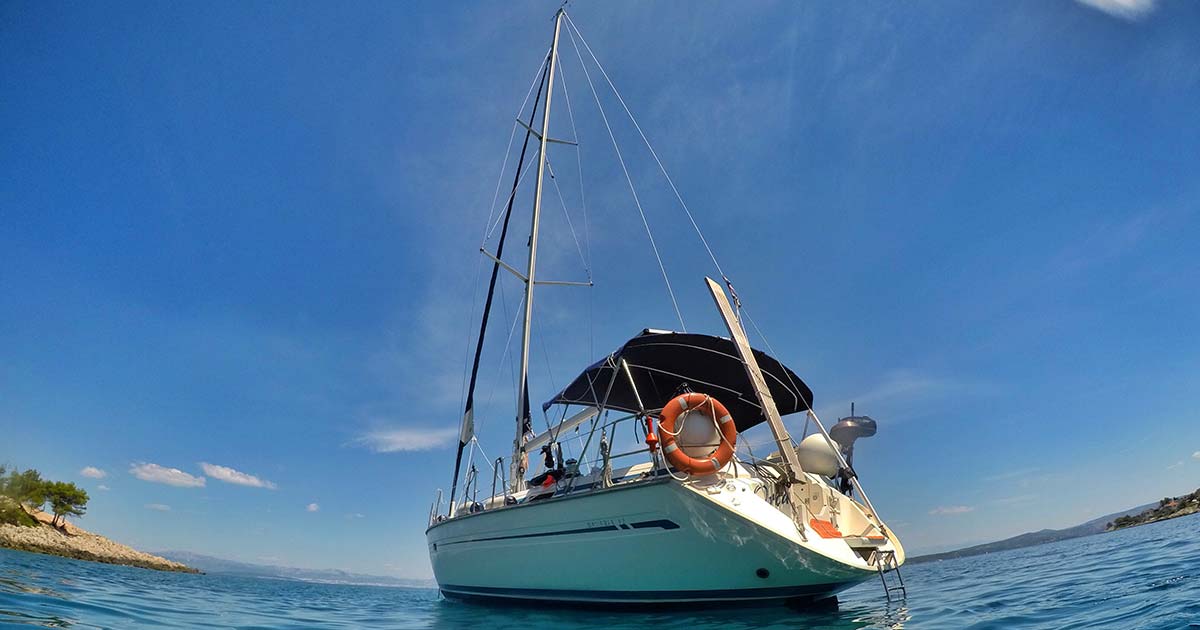
Another option that is becoming popular for the off-grid nomad who wants maximum independence, living on a boat turns your home into a floating, self-sufficient base—free from land rents, zoning laws, and urban overreach. Combine digital nomad income (via Starlink at sea) with hardcore self-reliance: solar power, watermakers, composting heads, and the ability to relocate instantly to better climates or welcoming cultures abroad.
This lifestyle appeals to expats and passport bros seeking total mobility while staying connected to nature. Anchor “on the hook” for near-zero costs, cruise coastal routes in the Caribbean, Mediterranean, or Southeast Asia, and maintain remote work from a cabin office.
Why It Fits the Survival Mindset
- Total freedom: Escape bad weather, rising costs, or regulations at a moment’s notice.
- True self-sufficiency: Solar, wind, desalination—live off-grid indefinitely.
- Cost potential: $1,000–$3,000/month possible with anchoring and minimalism (often less than U.S. rent).
- Adventure & minimalism: Constant connection to water, wildlife, and sunsets; forced downsizing builds mental toughness.
Quick Reality Check (2026 Costs)
- Used sailboat: $20,000–$100,000+
- Annual upkeep: 10–20% of boat value (repairs, insurance, haul-outs)
- Monthly liveaboard: $500–$2,500 (anchoring) to $2,000–$4,000 (marina)
Building a Life That’s Actually Yours

Look, at the end of the day, this whole thing—chasing passport bro freedom, going full digital nomad, or setting up off-grid abroad—isn’t some trendy escape plan. It’s men deciding they’re done waiting for the system to fix itself. Done with the debt traps, the cultural rot, the endless rules that keep you dependent and small. They’re stepping out, building something real: a setup where you control your time, your money, your relationships, and your security. Solar on the roof, remote income hitting the account, a partner who actually values you, and distance from the noise back home.
That’s not fantasy. That’s happening right now, in quiet valleys in Thailand, mountain plots in Portugal, jungles in Costa Rica, and beaches in Belize.
The numbers keep climbing because the math doesn’t lie. More guys every year see the same cracks: college debt that never pays off, wages that don’t keep up, dating scenes that feel rigged, and a government that tracks every move while promising less and less.
For those of us wired for survival and self-reliance, this path makes perfect sense. It’s proactive. It’s prepared. It’s saying, “If the grid fails—economically, culturally, politically—I’m already positioned to thrive.” You learn new skills, build real resilience, and create options instead of hoping the old ones hold.
But freedom isn’t free. It takes research, discipline, and the guts to walk away from comfort zones. Scams will test you. Visas will frustrate you. Isolation will hit hard some nights. Cartel flare-ups or currency swings will remind you the world isn’t safe. Yet everyone who’s made it through says the same thing: the trade-off is worth it. You wake up owning your day, not renting it.
So if you’re reading this and something’s stirring—good. Start small. Test a short trip. Talk to expats who’ve done it. Build your exit ramp before you need it. The system’s not going to hand you independence. You have to take it.
The open road—or the open water, the open land, the open border—is waiting.
YOU HAVE ONE LIFE: STOP PLAYING IT SAFE!
Read the full article here